Signs Your Basement or Foundation Needs Waterproofing
Noticing signs your basement or foundation needs waterproofing can help local contractors prevent water damage and structural issues effectively.
Homeowners in the area often notice certain signs that may indicate their basement or foundation needs waterproofing. These can include persistent dampness, musty odors, visible water stains, or even small cracks in the foundation walls. Recognizing these warning signs early can help prevent more serious issues down the line, such as structural damage or mold growth. Since waterproofing is a specialized service, connecting with experienced local contractors can ensure that any underlying problems are properly addressed, protecting the integrity of the property.
Exploring these signs is a practical step for property owners looking to maintain a safe and stable home environment. Whether dealing with minor leaks or more noticeable moisture issues, local service providers can offer solutions tailored to specific needs. By understanding what to watch for, homeowners can take informed steps toward safeguarding their investment, knowing that qualified professionals are available to handle waterproofing needs efficiently and effectively.
- Basement waterproofing - homeowners noticing water stains or dampness on basement walls often seek waterproofing services to prevent further damage, with local contractors assessing and applying appropriate solutions.
- Foundation waterproofing - signs of foundation cracks or shifting can indicate a need for waterproofing, and local service providers typically evaluate the foundation’s condition before recommending repairs.
- Basement waterproofing - persistent musty odors or mold growth in the basement may prompt individuals to consider waterproofing options, with local pros implementing moisture control measures.
- Foundation waterproofing - if there are visible efflorescence or white mineral deposits on foundation surfaces, local contractors often recommend waterproofing to address underlying moisture issues.
- Basement waterproofing - areas with frequent or ongoing basement flooding are a clear sign for waterproofing services, with local experts providing tailored solutions to keep basements dry.
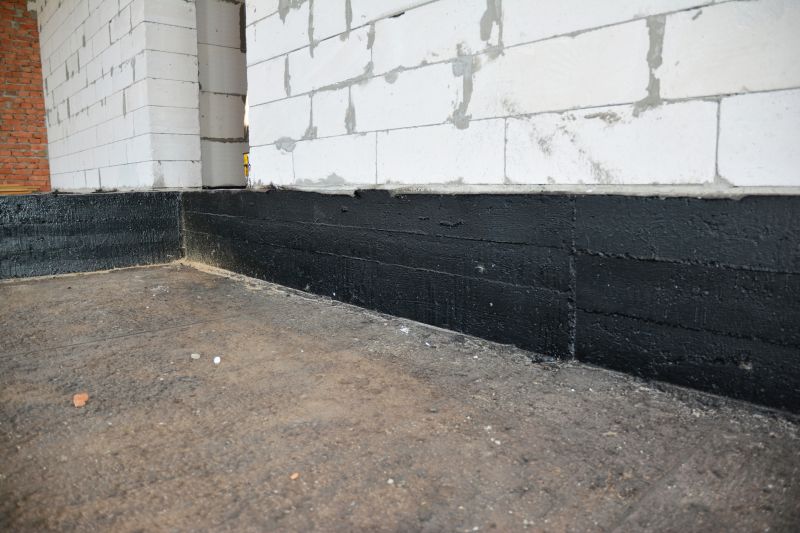
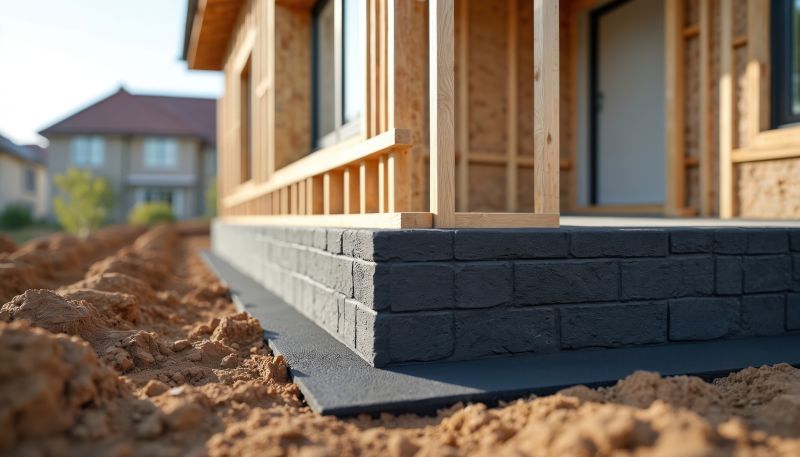
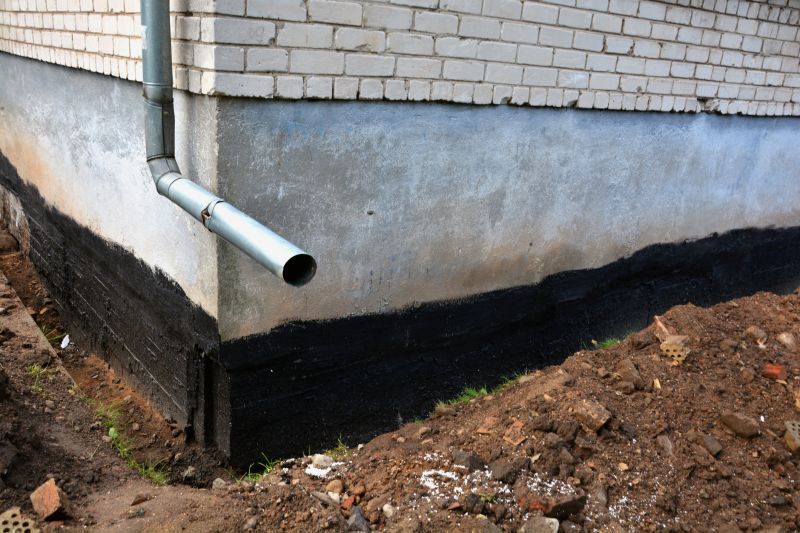
When homeowners search for signs their basement or foundation needs waterproofing, they are often trying to identify early warning indicators of water intrusion or structural issues. These signs can include visible water stains or damp patches on basement walls, musty odors, or mold growth that suggests moisture problems. Recognizing these signs is crucial because they typically point to underlying issues such as poor drainage, inadequate sealing, or cracks in the foundation that allow water to seep in. Understanding what to look for helps homeowners determine whether professional waterproofing services might be necessary to protect their property and prevent further damage.
Waterproofing concerns are closely related to problems that develop over time due to weather conditions, soil movement, or aging structures. For example, persistent basement flooding, efflorescence (white mineral deposits on walls), or peeling paint can all be symptoms of water infiltration. Homeowners planning renovations or upgrades might also consider waterproofing to improve the basement’s usability or value. These issues often become more urgent after heavy rains or rapid snow melts, when water pressure against the foundation increases. Local contractors who specialize in waterproofing can assess these problems and recommend solutions tailored to the specific causes, helping to ensure the foundation stays dry and structurally sound.
The types of properties that typically come up in discussions about basement or foundation waterproofing include both residential homes and small commercial buildings. Single-family houses with basements are the most common, especially in regions with high rainfall or fluctuating groundwater levels. Older homes with stone or brick foundations may be more prone to moisture issues, while newer constructions might face challenges related to poor drainage or inadequate waterproofing layers. Additionally, properties built on slopes or in areas with expansive clay soils are more susceptible to foundation movement and water intrusion. Recognizing these property types helps homeowners understand how waterproofing fits into their broader home maintenance or renovation plans.
Local service providers who specialize in basement and foundation waterproofing often perform detailed inspections to identify the root causes of moisture problems. They look for signs such as cracks, uneven floors, or water pooling around the foundation. Once issues are diagnosed, these contractors can recommend appropriate waterproofing measures, such as exterior drainage improvements, interior sealants, or sump pump installations. Connecting with experienced local pros ensures that the waterproofing work addresses the specific challenges of the property, helping to safeguard the home against future water damage and prolonging the lifespan of the foundation. Properly identifying signs early and engaging qualified experts can make a significant difference in maintaining a dry, stable basement environment.
Drainage System Installation - Installing proper drainage systems around a property helps prevent water accumulation that can lead to basement or foundation issues, requiring similar planning and excavation skills as waterproofing projects.
Foundation Crack Repair - Repairing cracks in foundations involves assessing structural problems and applying sealing techniques, which are closely related to waterproofing efforts aimed at preventing water intrusion.
Basement Finishing - Finishing a basement involves moisture control and surface preparation, making it relevant to waterproofing services that ensure a dry and stable space for interior improvements.
Sump Pump Installation - Setting up sump pumps helps manage excess water and protect foundations from water damage, sharing tools and planning considerations common in waterproofing projects.
Exterior Waterproofing - Applying waterproof coatings or membranes to building exteriors is a direct extension of basement waterproofing, requiring similar surface preparation and sealing techniques.
Mudjacking and Underpinning - These techniques involve stabilizing and lifting uneven or sinking foundations, often performed alongside waterproofing to maintain structural integrity and prevent water-related issues.
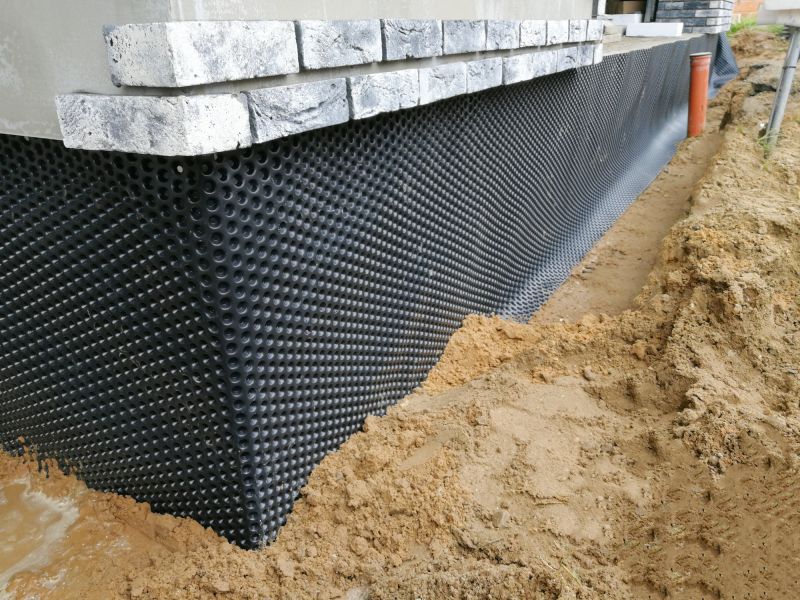
When evaluating local contractors for basement or foundation waterproofing, it’s important to consider their experience with similar projects. Homeowners should inquire about how many waterproofing jobs they have completed that involve signs like water seepage, foundation cracks, or dampness issues. A contractor with a proven track record handling cases similar to the specific concerns can offer insights into effective solutions and potential challenges. This familiarity can help ensure that the chosen service provider understands the unique aspects of basement waterproofing and can recommend appropriate measures based on their past work.
Clear written expectations are essential when comparing service providers for waterproofing projects. Homeowners should seek detailed proposals that outline the scope of work, materials to be used, and the steps involved in addressing signs your basement or foundation needs waterproofing. Having this information in writing helps prevent misunderstandings and provides a basis for comparing different contractors’ approaches. Well-defined expectations also enable homeowners to evaluate whether the proposed solutions align with their needs and priorities, making the selection process more transparent and informed.
Reputable references and effective communication are key factors in choosing the right local contractor. Homeowners are encouraged to ask for references from previous clients who had similar issues addressed. Speaking with past customers can provide insights into the contractor’s reliability, workmanship, and ability to follow through on commitments. Additionally, good communication throughout the process-such as responsiveness to questions and clarity in explanations-can make the experience smoother and more predictable. Selecting service providers who demonstrate professionalism and transparency can help ensure that the project to address signs your basement or foundation needs waterproofing is handled confidently and competently.
Property owners often search for signs your basement or foundation needs waterproofing when they are planning practical projects around their homes and businesses. Local pros provide Basement or Foundation Waterproofing services for everyday jobs and straightforward project options.
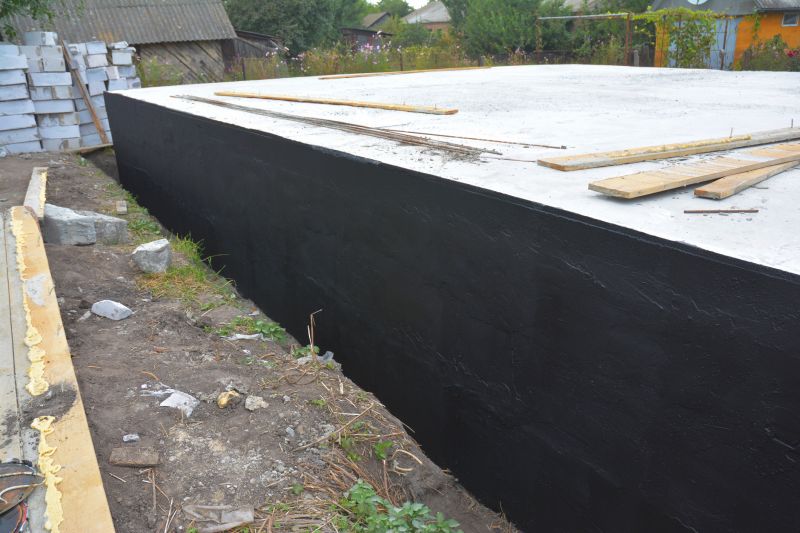
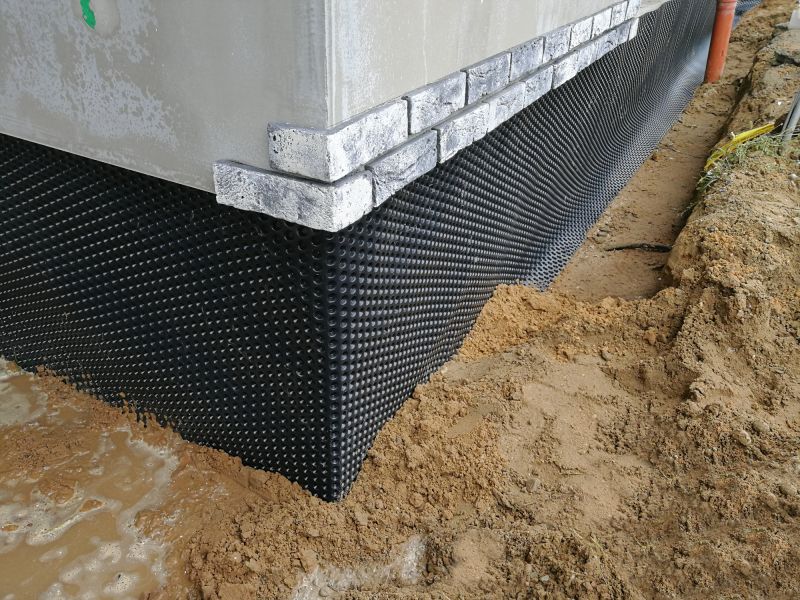
Many property owners notice signs that their basement or foundation may need waterproofing after experiencing common issues like persistent dampness or musty odors. If there are visible water stains on basement walls, peeling paint, or mold growth, these can indicate moisture infiltration that might require professional waterproofing services. Additionally, if the basement feels consistently damp or if there are areas where water seems to collect after heavy rain, local contractors can assess whether waterproofing solutions are appropriate to prevent further damage and maintain a dry, stable foundation.
Other indicators include cracks in basement walls or floors, especially if they appear to be widening over time, or if there is noticeable efflorescence-white, powdery deposits-on the surfaces. These signs often suggest water pressure or seepage issues that could compromise the foundation's integrity. Property owners noticing such problems are encouraged to seek the expertise of local service providers who specialize in waterproofing. They can evaluate the situation and recommend the necessary measures to protect the home from ongoing moisture problems and potential structural concerns.
What are common signs that a basement or foundation may need waterproofing? Indicators include visible water stains, damp or moldy walls, musty odors, and pooling water after rain, which suggest that water infiltration might be an issue that local contractors can address.
How can I tell if my foundation is experiencing water-related problems? Cracks in the foundation walls, uneven or shifting floors, and signs of efflorescence (white mineral deposits) are common signs that a foundation may need waterproofing services from local experts.
Are there visible signs inside the basement that indicate waterproofing is necessary? Yes, signs such as peeling paint, bubbling wallpaper, or water spots on walls and floors can point to moisture problems that local waterproofing contractors can help resolve.
Can water issues in the basement or foundation cause structural damage? Yes, persistent moisture and water infiltration can weaken the structural integrity of a foundation over time, making waterproofing services from local specialists important for long-term stability.
What role do exterior signs play in identifying the need for waterproofing? Exterior signs like clogged or damaged gutters, poor drainage around the foundation, and cracks in the foundation's exterior walls can indicate that waterproofing services from local contractors may be needed to prevent water intrusion.
Water stains or discoloration on basement walls - noticing these issues can indicate moisture seeping through the foundation, prompting property owners to seek waterproofing services from local contractors.
Persistent basement dampness or musty odors - these signs suggest inadequate drainage or sealing, encouraging property owners to explore waterproofing options with nearby specialists.
Cracks or bulges in foundation walls - visible structural issues may require professional assessment and waterproofing solutions to prevent further damage.
Efflorescence or white powder on walls - mineral deposits from moisture buildup highlight potential waterproofing needs that local service providers can address.
If you are thinking about signs your basement or foundation needs waterproofing for a property, this guide is meant to help you understand this topic, the typical project types, and how different options might fit your plans.
When you are ready, you can use the quote form on this page to share a few details about your project. From there, local pros can review the basics and follow up with options that match what you have in mind.